
Infant Formula Affordability Research Animation
Communicating Research to Influence Policy:
Infant Formula Affordability in the UK
When research is intended to influence policy, clarity matters.
We recently partnered with a consortium of research and public health organisations to create an animation communicating the findings of a major study into the affordability of infant formula in the UK. The project explored the experiences of families struggling to afford infant formula and the perspectives of professionals supporting them. The findings highlighted the significant impact that rising formula prices are having on parents and babies across the UK.
The Challenge
The research contained powerful evidence, but also a significant amount of data, context and nuance. The intended audience was not the general public but policymakers, stakeholders and decision-makers who have the ability to influence future regulation and support systems. Our challenge was to distil extensive research findings into a concise, engaging and evidence-led animation that would communicate both the scale of the problem and the urgency of potential solutions.
Turning Evidence Into Impact
The study gathered insights from 281 parents experiencing difficulties affording formula and 158 professionals and volunteers who support families. The findings revealed that rising formula costs were contributing to financial hardship, anxiety and emotional distress. Parents described skipping meals, going into debt and reducing household heating costs in order to afford formula. Some reported adopting practices that could potentially put infant health at risk, including watering down feeds, reusing leftover milk and introducing solid foods earlier than recommended.
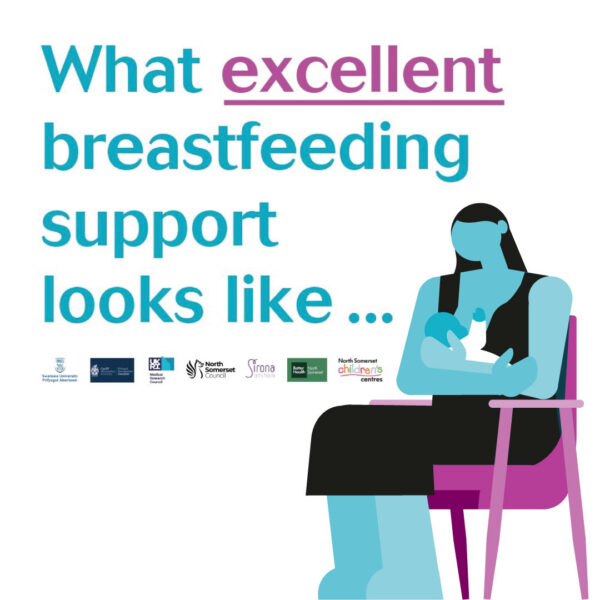
Alongside these experiences, the research explored what parents believed would help most and identified potential policy responses, including improved regulation of formula marketing, price controls and increased breastfeeding support.
The animation needed to present these findings in a way that remained accessible, objective and grounded in evidence while maintaining the emotional weight of the stories behind the statistics.
These type of animations are engineered for public health behavioral change campaigns and regional patient awareness initiatives.
Using Animation to Support Policy Engagement
Animation offers a powerful way to bridge the gap between academic research and policy discussions.
Complex evidence can be distilled into a format that is easier to absorb, easier to share and more memorable than traditional reports or presentations. Through carefully crafted storytelling and clear information design, we were able to guide viewers through the research findings while keeping the focus firmly on the evidence.
The final film provides stakeholders with a concise overview of the study’s findings and recommendations, helping ensure that the voices of parents remain central to discussions about infant formula affordability in the UK.
Collaboration
This project was delivered in partnership with Professor Amy Brown at Swansea University and a consortium of organisations including the Medical Research Council, First Steps Nutrition Trust, Cardiff Metropolitan University, Independent Food Aid Network, Mammas, The Newcastle upon Tyne Hospitals NHS Foundation Trust and the University of Hertfordshire.
We’re proud to support researchers and public sector organisations in transforming complex evidence into engaging visual communications that inform decisions, shape conversations and help drive meaningful change.